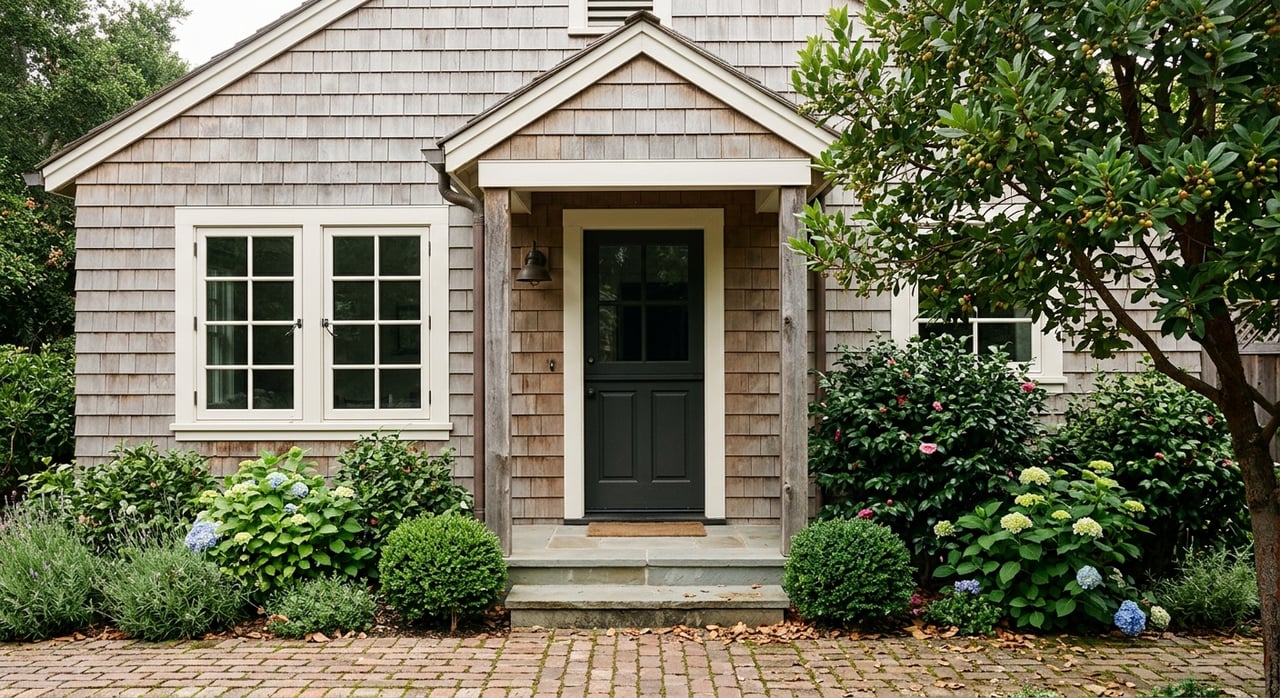
Wondering why San Anselmo homes can feel so different from one block to the next? That variety is part of what makes this Marin town so compelling. If you are exploring a move, planning a purchase, or preparing to sell, understanding the local mix of cottages, bungalows, revival homes, and estate-scale properties can help you read the market with more confidence. Let’s dive in.
Why San Anselmo Has So Much Variety
San Anselmo’s housing mix did not happen by accident. It grew out of early subdivision patterns, railroad-era growth, rebuilding and expansion after the 1906 earthquake and fire, and later planning choices that aimed to preserve the town’s small-scale character.
According to the San Anselmo Historical Society’s account of the Sunnyside Tract, one of the town’s oldest subdivisions was first mapped in 1881. As rail service improved and residents returned after 1906, summer homes increasingly became year-round residences, and larger tracts were divided into neighborhoods such as Yolanda Court.
That layered growth still shapes the town today. The Town of San Anselmo General Plan emphasizes preservation of small-town scale, historic buildings, and hillside character, while directing future growth toward flatter, infrastructure-served areas near Sir Francis Drake Boulevard, Greenfield Avenue, and downtown.
Cottages and Bungalows
At the more compact end of the spectrum, San Anselmo includes early cottages, shingled bungalows, and Craftsman homes. These are part of the town’s oldest residential fabric and remain some of its most recognizable homes.
In Sunnyside Tract, historical records note a 1903-era cottage and a modest five-room shingled house. In Yolanda Court, many early homes were described as shingled Craftsman bungalows, with a few stucco examples mixed in and some later Spanish Eclectic additions, as noted by the San Anselmo Historical Society.
For many buyers, these homes stand out because they feel approachable and easy to live in. Their appeal often comes from a practical layout, connection to the porch or garden, and a scale that feels efficient rather than formal.
What Defines a Craftsman Bungalow
The National Park Service describes the Craftsman bungalow as a one- to one-and-one-half-story house with broad, gently pitched gables, typically with one large gable over the main part of the home and a lower gable over the porch.
In San Anselmo, you will often see visual clues like:
- Low profiles
- Smaller footprints
- Front porches
- Simple rooflines
- Strong indoor-outdoor flow
These features help explain why cottages and bungalows continue to attract interest. If you want historic character without a very large home, this category often delivers that balance.
Period Revival Homes
San Anselmo also has a richer, more layered architectural side, especially in older hill neighborhoods. This is where you start to see houses with stronger stylistic identities, more ornament, and a more formal street presence.
The mix includes Shingle Style, Tudor Revival, and Spanish or Mission-influenced homes. Together, these styles add depth to the town’s visual character and show how San Anselmo developed over time rather than around one single architectural look.
Shingle Style Homes
The Barber Tract and Ross Avenue area include notable Shingle Style homes. Local descriptions highlighted by the San Anselmo Historical Society point to features such as sprawling massing, broad roof shapes, dormers, polygonal towers, and low arched eyebrow windows.
These homes often feel more sculptural than cottages or bungalows. Their size and rooflines can create a strong presence, but the wood shingle exterior helps many of them feel tied to the landscape.
The Barber Tract is especially notable because it includes architect-designed homes by Bernard Maybeck, Julia Morgan, Ernest Coxhead, Harris Osborn, and W. Garden Mitchell. That history gives the neighborhood an added architectural significance.
Spanish and Mission Influences
Spanish Colonial Revival is another important part of the local picture. San Anselmo architect Samuel Heiman designed many 1920s buildings in this style, often using stucco exteriors, tile roofs, shaped parapets, and decorative relief, according to the San Anselmo Historical Society.
The National Park Service describes Mission Revival as a California style that uses flat stucco surfaces, deep openings, and red clay tile roofs inspired by Spanish colonial precedents.
In practical terms, these homes can feel warmer and more enclosed than a bungalow. Courtyard-like spaces, thicker walls, and ornamental detail often create a different living experience and a more defined sense of arrival.
Tudor Revival Homes
Tudor Revival brings a distinct look to the mix. According to the National Park Service architectural reference, common features include steeply pitched roofs, half-timbering, patterned brick or stone, leaded windows, prominent chimneys, and Tudor-arched doorways.
Even when a Tudor Revival home is not especially large, it can feel more formal and picturesque than a cottage. The style tends to emphasize craftsmanship, contrast, and visual detail, which can make it stand out on the street.
Estate-Scale and Hillside Homes
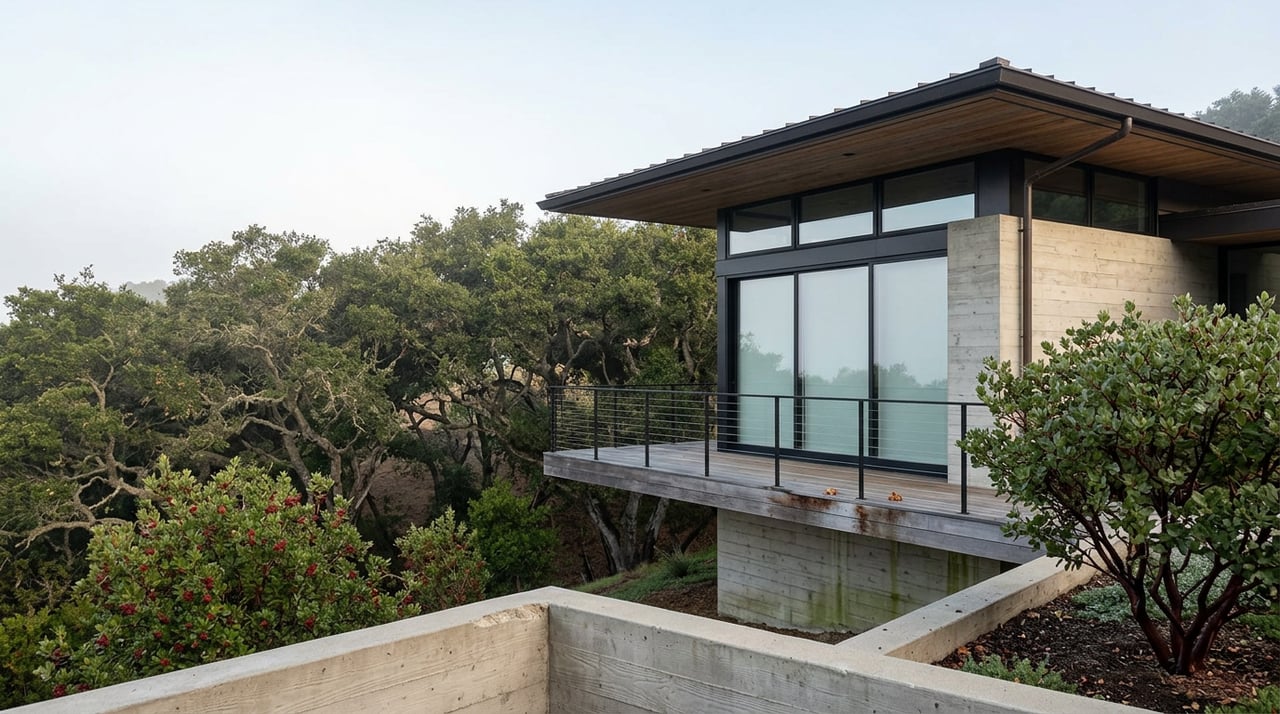
At the upper end of the San Anselmo spectrum, estate-style homes are usually defined more by scale and setting than by one specific style. These properties are often associated with hillsides, larger lots, privacy, and a stronger connection to topography.
The San Anselmo Historical Society’s overview of the Barber Tract notes that many original homes there were built on lots of an acre or more. Some began as summer residences and later became permanent homes. The Robson-Harrington House on Crescent Road, for example, is described as an imposing wood-frame mansion on 2.68 acres, while the Carrigan House originally sat on 23 acres of open grassland in western San Anselmo.
What Hillside Living Often Means
San Anselmo’s hillside homes feel different partly because the town treats hillside development differently. The General Plan limits density on hillside and ridge parcels, protects visible ridges, and calls for design that minimizes grading and visual mass while blending with the landscape.
For you as a buyer or homeowner, that setting often translates into:
- More privacy
- Longer driveways
- Layered outdoor spaces
- View-oriented living
- A stronger relationship to the natural terrain
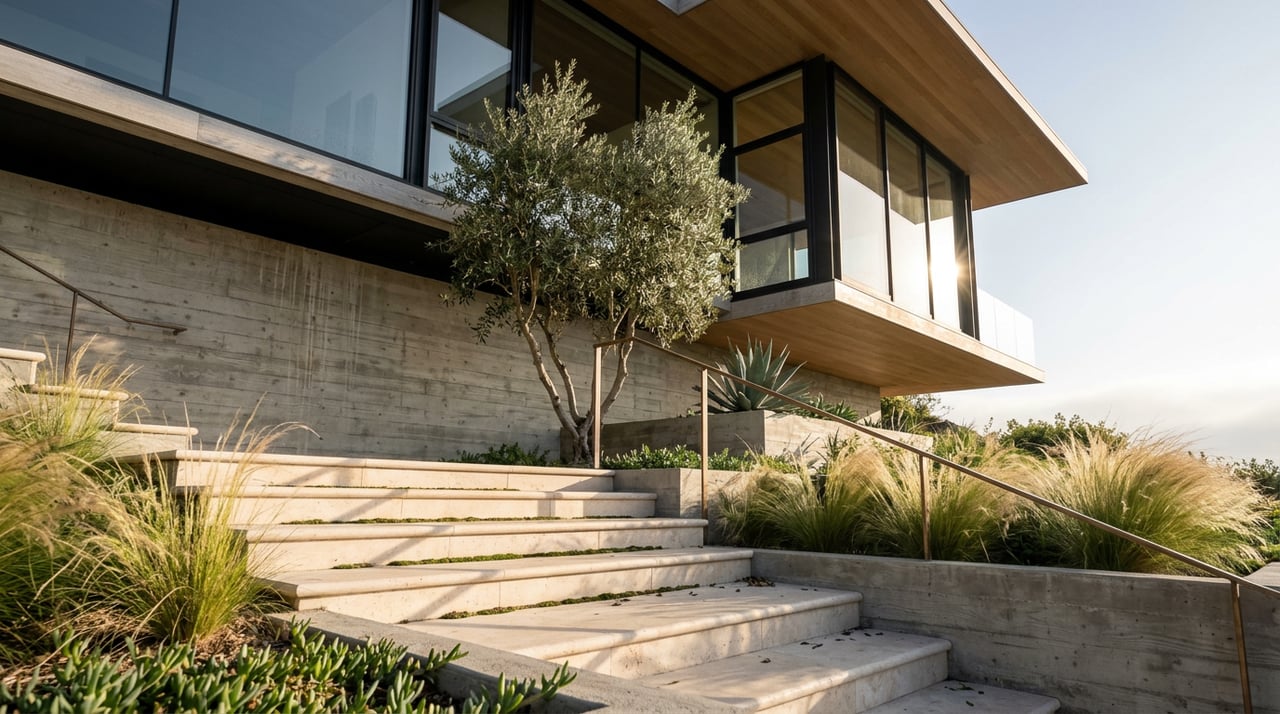
It can also mean more stairs, more landscape upkeep, and closer planning for additions or exterior changes. Those are practical considerations worth understanding if you are comparing a hillside property with a flatter in-town home.
A Simple Way to Read the Market
If you want a quick shorthand, older and flatter parts of San Anselmo tend to show more of the compact end of the spectrum, including cottages, bungalows, and Craftsman homes. Hillier areas and larger-lot settings are where you are more likely to see estate-scale homes, architect-designed residences, and properties shaped by views and landscape.
That does not mean every street fits one formula. It does mean San Anselmo is best understood as a town with layered architectural character, where development history, lot size, and topography all influence what you see.
Why Home Style Matters When You Buy or Sell
Architecture is not just about appearance. In San Anselmo, home style often affects day-to-day living, maintenance expectations, renovation possibilities, and how buyers respond emotionally to a property.
For buyers, that means your ideal home may come down to lifestyle as much as square footage. A cottage or bungalow may offer charm and simplicity, while a hillside estate may provide privacy, views, and a more expansive setting.
For sellers, understanding your home’s place in San Anselmo’s broader housing story can help shape positioning and marketing. Buyers are often drawn to context, and the right presentation can highlight whether your property offers early-town charm, period style, or estate-like scale.
If you are thinking about buying or selling in San Anselmo, working with an advisor who understands how architecture, location, and market positioning intersect can make the process much clearer. For tailored guidance on San Anselmo and the broader Marin market, connect with Raquel Newman.
FAQs
What home styles are common in San Anselmo?
- San Anselmo includes cottages, Craftsman bungalows, Shingle Style homes, Tudor Revival houses, Spanish or Mission-influenced properties, and larger estate-scale hillside homes.
Where are smaller cottage and bungalow homes usually found in San Anselmo?
- Older and flatter neighborhoods, including early areas like Sunnyside Tract and Yolanda Court, are where compact cottages, shingled bungalows, and Craftsman homes are most commonly associated.
What makes San Anselmo hillside homes feel different from in-town homes?
- Hillside homes often offer more privacy, views, layered outdoor spaces, and a closer connection to the landscape, while also requiring more consideration for access, stairs, maintenance, and design changes.
Why does San Anselmo have such a wide mix of architecture?
- The town’s housing mix reflects early subdivision history, railroad-era growth, post-1906 development, and planning policies that preserve small-town scale, historic character, and hillside settings.
Are estate homes in San Anselmo one specific architectural style?
- No. In San Anselmo, estate-style usually refers more to lot size, setting, and scale than to one single design style.