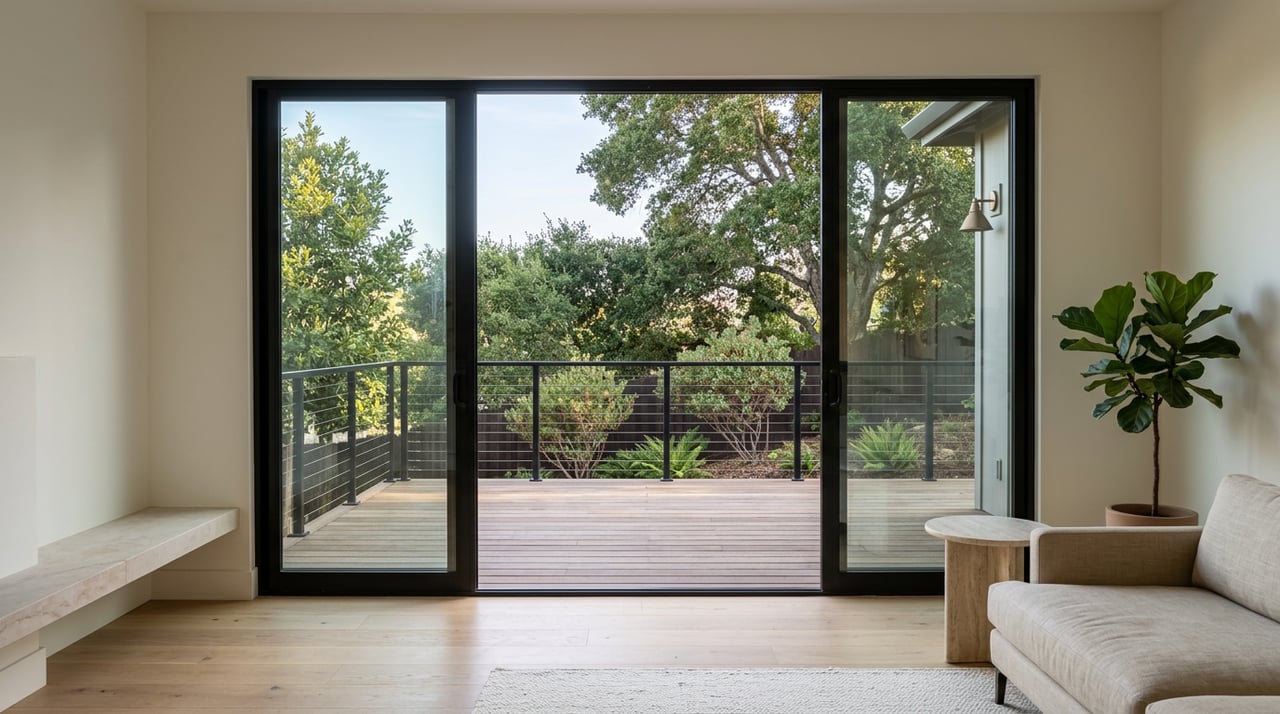
Love the idea of coffee on a deck with Bay views, but not sure if the hillside or the flats will deliver the lifestyle you want in Corte Madera? You are not alone. Many buyers weigh sweeping vistas against easy everyday living, yard usability, and long-run costs. In this guide, you will learn what to expect from Christmas Tree Hill versus the Town Center flats so you can choose with confidence. Let’s dive in.
Corte Madera layout at a glance
Corte Madera’s retail core and historic town center sit on low ground near Corte Madera Creek and Highway 101. The town’s average elevation is modest, with residential streets stepping up the lower flanks of Mount Tamalpais toward Christmas Tree Hill. For a quick primer on the town’s setting, see the town overview on Wikipedia’s Corte Madera page.
Locally, you will hear two clear areas. The hillside is best known as Christmas Tree Hill and Lower Christmas Tree Hill. The flats include the Town Center, Old Corte Madera Square, and neighborhoods around the shopping hubs.
What views you can expect
If long, wide views are your north star, the hillside delivers more often. Elevated homes on Christmas Tree Hill commonly open to San Francisco Bay, Tiburon and Belvedere, and on clear days the San Francisco skyline. The town’s hillside planning materials reference this elevated character and orientation in their work on undergrounding and evacuation routes for the hill neighborhood. Explore the context on the Corte Madera Adapts Hillside page.
On the flats, a handful of parcels near the creek and marsh can offer short-range water or marsh outlooks. Most flat lots sit at street and vegetation height, so you trade a panorama for simpler access to shops and services.
Outdoor living and home types
Hillside properties often feature multi-level architecture that stacks indoor and outdoor living to frame the view. You will see large decks off the main living level, floor-to-ceiling windows, terraced landscaping, and steeper driveways. Slope work, retaining walls, and geotechnical considerations are common in hill construction and remodels. The Town’s permit guidance explains grading, drainage, and retaining-wall triggers for hillside projects in its Grading and Drainage Plan Permit materials.
On the flats, older single-family homes and infill townhouses typically sit on more level lots. If you want a single-plane backyard for play, a lawn, or a pool where allowed, the flats usually make that easier. You are also closest to groceries, restaurants, and the weekly farmers’ market around the Town Center and The Village at Corte Madera, which you can preview on the town’s shopping and events page.
Everyday convenience and access
- Shopping and errands: Living near the Town Center often means the fastest walk or drive for daily needs. Quick grocery runs, dining, and services are straightforward from the flats, as highlighted on the town’s shopping guide.
- Commute options: Many residents weigh Highway 101 against the Larkspur ferry when commuting to San Francisco. The ferry crossing is commonly about 30 to 35 minutes one way, before door-to-dock time. If you are a ferry user, proximity to Larkspur Landing can matter, and flat neighborhoods often make the park-and-go simpler. See current service context from Golden Gate Ferry.
- Roads and driveways: Hill streets and driveways tend to be steeper and narrower. That affects guest parking, contractor access, and winter-weather logistics. The town identifies specific hill streets for evacuation and undergrounding improvements on the Corte Madera Adapts Hillside page, which is useful context as you tour.
- Utilities and services: Water is provided across town by Marin Municipal Water District, but uphill access can make certain infrastructure work slower or more complex. For a countywide overview, see MMWD’s Urban Water Management Plan. Portions of the hillside are also slated for utility undergrounding, which can improve reliability over time and cause short-term street work.
Risks, rules, and long-run costs
- Wildfire and WUI: Like many Marin hills, Corte Madera’s hillside sits within the Wildland Urban Interface. Expect defensible-space requirements, vegetation management, and possible stricter construction standards. Learn more from the town’s hillside materials and county updates via Corte Madera Adapts and Marin Wildfire’s FHSZ updates.
- Grading and structural work: Adding a large deck, expanding outdoor areas, or building tall retaining walls on steep lots often triggers geotechnical reports and grading or drainage permits. These steps add design, time, and cost. Review the Town’s grading and retaining-wall guidance as you plan.
- Flood and sea-level-rise exposure: Flats closest to Corte Madera Creek and the marsh sit lower and can face tidal flooding and longer-term sea-level-rise exposure. As part of due diligence, check FEMA and sea-level-rise layers for any creekside or marsh-adjacent property with Marin County’s GIS tool, MarinMap.
Pricing and the view premium
Market snapshots for Corte Madera can vary month to month because the town is small and data vendors use different methods. Rather than focusing on a single median, look at recent, like-kind comps for the exact view quality, orientation, and lot type you are considering.
Research consistently finds a measurable premium for views, with water views generally commanding the largest uplift. Academic work shows that premiums range from modest single digits into several tens of percent depending on view type, quality, and distance to the feature. For a useful foundation, see the hedonic literature summarized in Benson et al., The Value of a View. Your net calculation should also weigh hillside costs, including potential permitting, geotechnical work, wildfire-related expenses, and long-term slope maintenance.
Quick decision guide
Use this checklist to get clear on your must-haves and tradeoffs.
If you prioritize panoramic views
- Confirm the exact view from the rooms and deck you will use most. Visit at the hour you care about, like morning coffee or sunset.
- Ask for prior geotechnical reports, retaining-wall records, and any slope or drainage repairs. If none exist, budget for a soils and geotech study. Review the Town’s grading and geotechnical triggers.
- Measure driveway slope and think through trash day, deliveries, and guest parking. Read the town’s evacuation and hill-street notes on the Corte Madera Adapts Hillside page.
- Get a wildfire insurance pre-check and a defensible-space estimate. See county-level context via Marin Wildfire.
- Ask for recent comps of true view homes, focusing on view angle, elevation, and orientation, not just neighborhood labels.
If you prioritize a flat yard and convenience
- Walk the route to the Town Center, The Village, and your go-to services. Visit on a weekday and weekend to compare traffic and parking, then scan the town’s shopping page for event rhythm.
- If a pool or large lawn is a must, confirm setbacks and whether your plan could trigger grading or stormwater permits with the Town’s public works and planning team. Start with the Town’s permit guidance.
- If you are near the creek or marsh, pull FEMA and sea-level-rise layers for the parcel on MarinMap.
Shared due diligence for both
- Gather utility, drainage, and retaining-wall history from the seller.
- Use MarinMap for elevation and slope contours, and review local evacuation and wildfire-severity maps.
- Build a comp set that mirrors your lot type, view quality, and outdoor living potential.
Bottom line
If you want the widest Bay outlooks and are comfortable with steeper driveways, terraced yards, and more complex permitting for outdoor upgrades, the hillside is often your best fit. If you want a larger, flatter yard and instant access to shops and services, the flats deliver daily ease even if the view is more intimate. Either way, clear due diligence and a local plan will help you secure the lifestyle you value most.
When you are ready to compare specific homes, I will help you verify view corridors, estimate permit paths, and weigh comps so you can move with confidence. For a private consultation tailored to your goals, connect with Raquel Newman.
FAQs
What is Christmas Tree Hill in Corte Madera?
- It is the town’s defined hillside neighborhood where streets step up the slopes and many homes gain Bay-oriented views. The town outlines its character and projects on the Corte Madera Adapts Hillside page.
How long is the Larkspur ferry commute from Corte Madera?
- The ferry crossing from Larkspur to San Francisco is commonly about 30 to 35 minutes one way, before door-to-dock time. See service context from Golden Gate Ferry.
Are flats in Corte Madera at risk of flooding?
- Flats near Corte Madera Creek and marsh areas sit lower and can face tidal and sea-level-rise exposure. Check parcel-specific FEMA and SLR layers using MarinMap.
What permits might I need for a hillside deck or retaining wall?
- Many hillside upgrades trigger grading, drainage, and geotechnical requirements that add time and cost. Review the Town’s current grading and retaining-wall guidance and confirm details with planning.
How much more do Bay-view homes cost in Marin?
- Premiums vary widely by view type and quality. Academic research finds view premiums ranging from single digits into several tens of percent depending on context, as summarized in Benson et al., The Value of a View.
Is wildfire risk higher on the Corte Madera hillside?
- Marin’s hills, including Corte Madera’s hillside, are within the Wildland Urban Interface, so wildfire planning and defensible space are priorities. Get local context from Corte Madera Adapts and county updates via Marin Wildfire.