Thinking about buying or selling a Ross estate without the spotlight? You are not alone. Many high‑end clients want privacy, control, and a confident result in a market where a single sale can set the tone. In this guide, you will learn how Ross defines an estate, what current pricing looks like, how discreet launches work under today’s MLS rules, and what you can do to move quickly and quietly. Let’s dive in.
What counts as an estate in Ross
Formal zoning thresholds
Ross uses specific single‑family zoning districts that define estate‑scale parcels. The key categories are R‑1:B‑A with a minimum 1 acre, R‑1:B‑5A with a minimum 5 acres, and R‑1:B‑10A with a minimum 10 acres. These zones typically carry tighter floor‑area ratio limits, such as about 15 percent FAR on 1‑acre lots and 10 percent in the larger acreage zones.
Hillside rules also matter. Lots with slopes over 30 percent trigger special formulas that can limit buildable square footage. For details, review the town’s Summary of Residential Zoning Regulations and the official zoning map:
- See the Town of Ross zoning summary for lot sizes, setbacks, FAR, and hillside formulas. (Town of Ross Zoning Regulations)
- Check the official Town of Ross zoning map to confirm your parcel’s district. (Town of Ross Zoning Map)
Market meaning of “estate”
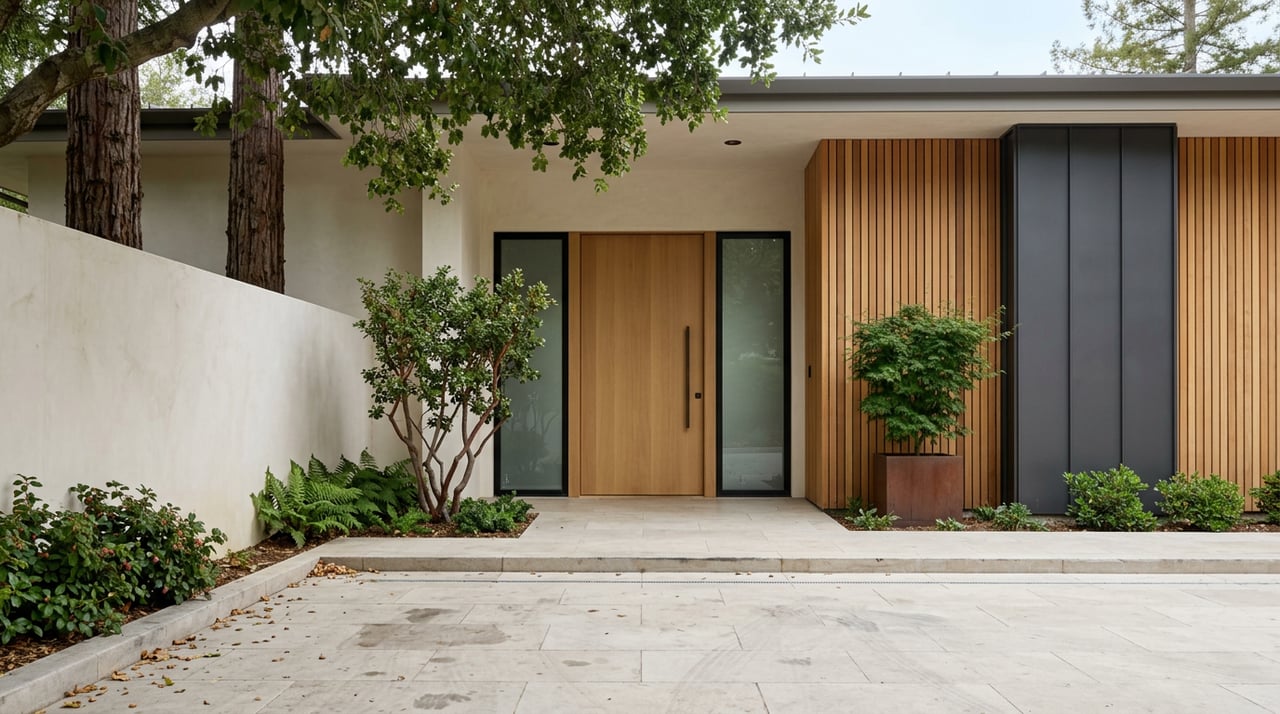
In practice, buyers and agents use “estate” for homes that stand out on privacy, land, architecture, and amenities. Think larger lots, a substantial main house, gated or screened entry, mature landscaping, a pool, guest cottage or ADU, multiple garages, and formal gardens. Proximity to Ross K‑8 and private schools, Mt. Tam views, and in‑town yet private settings often add premium appeal.
You will also see trophy sales on sub‑acre lots when design and setting are exceptional. Recent examples include a high‑finish architect home on about 0.46 acre that traded in the upper bracket, while a near‑1‑acre compound with a pool and guest cottage closed above eight figures. The takeaway is simple. Use zoning to confirm estate‑scale land, but weigh architecture, privacy, and amenities to understand demand.
Price bands you should know
Ross is a small, high‑value town within Marin. The Ross home‑value index has been reported in the mid‑$3 million range in recent snapshots, and estate properties push well above that. Because Ross sees only dozens of sales per year, it helps to think in practical price bands:
- Upper single‑family or smaller estates, about $2 million to $4 million. Often well‑finished homes on typical Ross lots or larger period homes with upgrades.
- Core estate, about $4 million to $8 million. Larger remodeled homes with substantial outdoor space, pools, and possible guest structures.
- Trophy and enclave, about $8 million to $12 million and up. Rare parcels, park‑like grounds, architect‑level design, or major rebuilds.
Recent sales support these bands. One modern, rebuilt home on roughly an acre closed around $7.6 million in early 2026. A near‑1‑acre compound with a guest cottage and pool sold about $11.5 million in late 2025. Another architect‑designed residence on less than a half acre closed about $9.55 million in 2025. These single trades can reset local comps, which is why individual examples matter more than town medians at the top of the market.
Market tempo and volatility
Time to contract varies by vendor and by listing. Town‑level snapshots have shown fast pends around the two‑week mark in some periods and closer to a month in others. Well‑priced estates with strong presentation can move in days or weeks. Uniquely positioned trophy offerings sometimes sit longer if the initial price or positioning is off, and one recent high‑end example logged more than 200 days before closing.
Because Ross averages only a few dozen sales a year, expect volatility in published medians and days on market. Lean on recent, feature‑matched comps and listing‑level histories to set expectations rather than relying only on the monthly median.
Privacy options that work
The policy backdrop you must know
The National Association of Realtors created Multiple Listing Options for Sellers in 2025. With the right disclosures, a seller can choose an office‑exclusive path or a delayed‑marketing exemption, subject to local MLS implementation. The key rule still stands. Any public marketing typically triggers the MLS submission deadline within one business day.
If you want a controlled private window, it is possible, but it has to be documented and managed through your local MLS. Review the policy details to align your approach. (NAR: Multiple Listing Options for Sellers)
How discreet launches run in practice
For high‑end Ross listings, a privacy‑first plan usually includes:
- Written seller instructions and disclosures that match MLS rules.
- An NDA before releasing full media or reports.
- A password‑protected data room with watermarked floor plans, photos, and inspections.
- Vetted showings with proof of funds or a bank reference, plus agent and buyer IDs.
- Limited broker previews or invitations to qualified agents.
NDAs and vetting are common in luxury sales. Work with your agent and counsel to keep privacy steps aligned with disclosure obligations and MLS policy. For a plain‑English NDA overview, review this guide. (Nondisclosure agreement basics)
Seller checklist for discretion
Use this step‑by‑step to prepare, launch, and negotiate without unnecessary noise.
1) Quiet pre‑listing prep
- Commission a valuation tuned to trophy assets and gather permits and title items early.
- Order targeted pre‑listing inspections such as roof, mechanical, and wood‑destroying organism, then stage findings in a secure data room with watermarked files.
- Confirm zoning and any hillside constraints before you market expansion potential. Use the town’s zoning summary and hillside formulas. (Ross Zoning Regulations)
2) Choose and document distribution
- Office exclusive. Brokerage‑only sharing. High privacy with limited exposure. Follow your MLS rules if any public marketing occurs. (NAR policy overview)
- Delayed‑marketing exemption. Filed with the MLS, with controlled syndication timing where allowed. Useful for a short private window.
- True off‑market. No MLS filing. Highest privacy but higher compliance risk if anything goes public and a smaller buyer pool.
3) Screen and structure early interest
- Require buyer and agent IDs and proof of funds or a bank letter before releasing the full address, full photos, plans, or reports.
- Consider NDAs, earnest‑money sizing to show seriousness, and short, private best‑and‑final timelines if multiple vetted buyers emerge.
4) Price and appraisal planning
- Estate comps are thin. Assemble a comp set that includes nearby trophy trades and be ready to brief the appraiser using your private data room.
- Discuss appraisal‑gap risk and when an all‑cash path or a bridge option can protect your net.
5) Security, staging, and presentation
- Start with a limited, non‑identifying media set. Release full media after NDA.
- Use gated or escorted showings and managed parking.
- Provide wildfire‑hardening and defensible‑space documentation. This is increasingly important for insurability and buyer confidence. (Ross Valley Fire defensible space)
Buyer playbook for discreet deals
Prepare to move fast, credibly
- Have proof of funds or a strong pre‑approval ready. If buying through a trust or entity, engage title early.
- Line up banking and professional references and be ready to sign an NDA for full access to property materials.
Make offers that win
- Lead with a credible price and clean terms. Consider higher earnest deposits, flexible closings, and the capacity to bridge a small appraisal gap, or go all‑cash when appropriate.
- Do not waive protections lightly. Pair speed with expert inspections and legal review to manage risk.
Manage diligence and insurance timelines
- Expect tighter windows on title, inspections, and approvals. Order inspections immediately and place appraisal orders on day one if you are financing.
- Secure early insurance quotes. Wildfire risk and mitigation steps can affect pricing and availability. Ask for any defensible‑space reports or compliance notices. (Ross Valley Fire guidance)
Local risks to factor in
- Hillside and slope limits. Ross applies special formulas on steep lots that can reduce buildable area. Confirm feasibility before promising expansions. (Ross Zoning Regulations)
- Wildfire and defensible space. Documentation helps with buyer confidence and insurance. Keep records current. (Defensible‑space checklist)
- MLS and portal compliance. If any public marketing occurs, the MLS clock usually starts. Keep all private‑marketing choices documented under the NAR policy. (NAR policy details)
How I help you move quietly in Ross
You deserve a plan that balances privacy with performance. As a Marin‑focused advisor with 100+ transactions and $250M+ in career volume, I pair boutique, hands‑on guidance with the marketing strength and private‑network tools of Compass. That means disciplined valuations, curated pre‑listing prep, and a documented private window when it serves your goals, followed by a precise public launch if needed.
On the buy side, I help you source on‑ and off‑market opportunities, package a credible offer, and manage diligence so you can move fast and confidently. If you are considering a discreet sale or a quiet search in Ross, let’s talk about a plan that fits your timeline and privacy needs.
Ready to start? Request your private market valuation or set a confidential consult with Raquel Newman.
FAQs
What defines a Ross estate and why it matters
- In Ross, estate‑scale lots are often 1 acre or more by zoning and carry tighter floor‑area limits, while market usage also focuses on privacy, architecture, and amenities that draw premium demand.
How private listings work under 2025 NAR rules
- With signed disclosures, you can choose office‑exclusive or delayed‑marketing options, but any public promotion generally starts the MLS submission clock within one business day.
What price range to expect for a Ross estate
- Smaller estates often trade around $2M–$4M, core estates about $4M–$8M, and trophy properties $8M–$12M+. Individual high‑end sales can reset comps given Ross’s small sample size.
How fast Ross estates typically sell
- Town snapshots have shown contracts within two to four weeks for well‑positioned homes, though unique trophies can take longer if pricing or presentation misses early.
What wildfire documents to request or provide
- Ask for defensible‑space and mitigation records. Sellers should keep wildfire‑hardening evidence current because it supports insurability and buyer confidence in Marin.